
If you are planning a trip to Rajasthan, your itinerary is likely filled with dreams of seeing a Bengal tiger in the wild. But nestled within the towering, 1,000-year-old walls of the Ranthambore Fort lies a spiritual heart that most travelers find just as captivating as a safari.
The Trinetra Ganesh Temple, Ranthambore is one of those rare places where ancient mythology feels very much alive. It’s not just a religious site; it’s a cultural phenomenon perched on a cliffside, offering some of the most dramatic views in Northern India.
The Mystery of the Three-Eyed Lord
In the Western world, we are used to seeing historical sites as “museums”—places where the past is frozen in time. But this temple is a living, breathing part of the community.
The story begins in 1299 AD during a famous siege. King Hamir Dev was trapped inside the fort, his food supplies dwindling, and a massive army waiting outside. He was a devout follower of Ganesha, the elephant-headed deity known as the “Remover of Obstacles.” After a powerful dream, the King discovered an image of Ganesha naturally embossed into the fort wall.
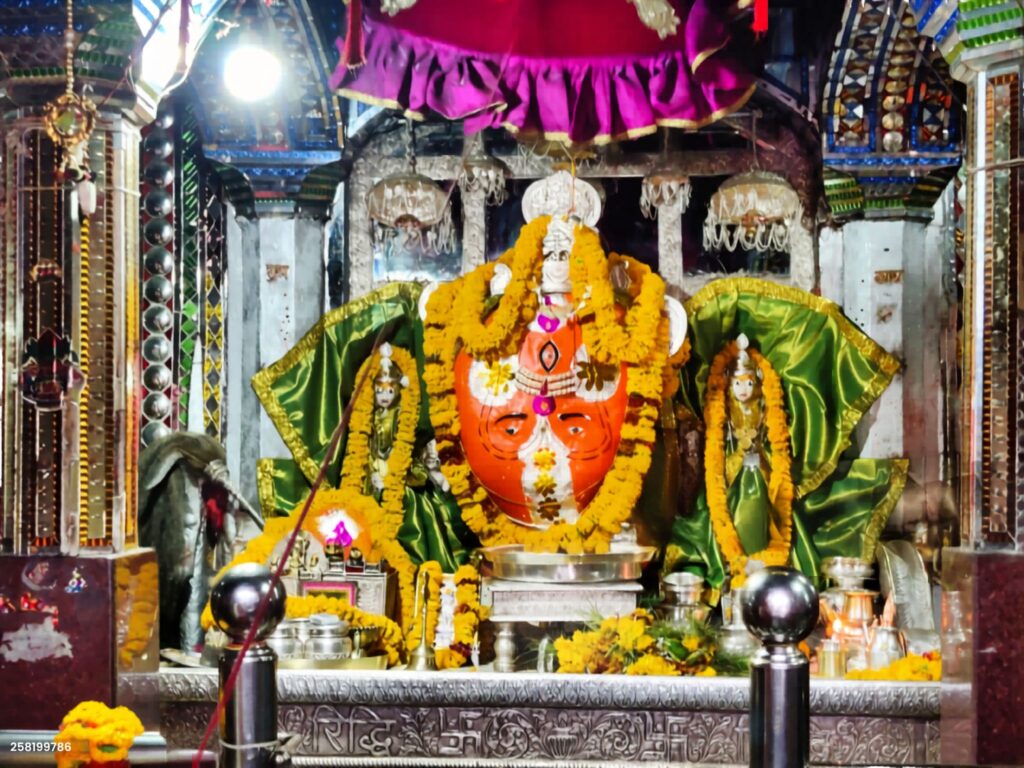
The unique part? This Ganesha had three eyes (Trinetra). In Indian philosophy, the third eye represents the ability to see the past, present, and future. Shortly after this discovery, the war ended, and the temple was established in 1300 AD.
Why Travelers Fall in Love with This Spot
What makes the Trinetra Ganesh Temple, Ranthambore so special for international visitors isn’t just the architecture; it’s the peculiar and heartwarming traditions you won’t see anywhere else.
1. The Divine Post Office
This is easily the most fascinating aspect of the temple. In India, Ganesha is the guest of honor at every wedding. Because this specific temple is considered so powerful, thousands of people from all over the world mail their wedding invitations here.
If you visit, you might see a local postman trekking up the hill with a heavy bag of mail. These aren’t bills or junk mail they are colorful, gold-embossed invitations and letters from people asking for blessings. The priests actually read these letters to the deity. It’s a beautiful reminder of how deeply faith is woven into daily life here.
2. The “Full Family” Iconography
Most Ganesha statues stand alone. However, here you will see him seated with his two wives, Riddhi and Siddhi, and his two sons, Shubh and Labh. It represents a sense of “completeness” and harmony that feels very peaceful when you enter the inner sanctum.
What to Expect During Your Visit
Reaching the temple is an experience in itself. You won’t be taking an elevator; you’ll be walking the same stone paths that kings and warriors walked centuries ago.
The Climb and the View
To get to the Trinetra Ganesh Temple, Ranthambore, you’ll need to hike up through the various gates of the Ranthambore Fort.
• The Fitness Factor: It’s a moderate walk with quite a few stairs. If you take your time, it’s manageable for most people.
• The Reward: Once you reach the top, you’re treated to a panoramic view of the Ranthambore National Park. You can see the lakes (Padam Talao) and the endless canopy of the jungle. It’s the best photo spot in the entire region.The Local “Residents”
Be prepared to meet plenty of Langur monkeys. They are the unofficial guardians of the fort. They are generally harmless and quite used to people, but they are very interested in anything that looks like food. My advice? Keep your snacks in a backpack and avoid carrying plastic bags, which they associate with treats.
Practical Tips for the International Traveler
• When to go: The early morning (around 7:00 AM) is magical. The air is crisp, the light is soft for photos, and you beat the midday heat.
• What to wear: Wear comfortable walking shoes or sneakers. You’ll need to remove them before entering the actual temple, so slip-ons are a great idea.
• Etiquette: It’s polite to cover your shoulders and knees. You’ll see locals offering flowers or sweets (Prasad); you aren’t required to do this, but it’s a nice way to participate in the local culture.
• Photography: You can take photos of the stunning fort and the monkeys, but usually, photography is not allowed inside the small room where the idol sits.
Conclusion
The Trinetra Ganesh Temple, Ranthambore is a place of incredible contrast. It’s a rugged, ancient fortress surrounded by wild tigers, yet inside, there is a sense of deep, quiet devotion. Whether you’re there to ask for a blessing or simply to soak in the history, it’s a journey that offers a much deeper look into the soul of Rajasthan than any safari jeep ever could.
Frequently Asked Questions
1. Can I visit the temple if I’m not a Hindu?
Absolutely. The temple is open to everyone regardless of religion. It’s a very welcoming environment, and the locals are usually happy to see international guests appreciating their culture.
2. How do I get to the temple from my hotel?
Most hotels in Sawai Madhopur can arrange a “Gypsy” (an open-top 4×4) or a taxi to take you to the base of the fort. From there, it’s all on foot.
3. Is it very crowded?
On weekends and during festivals like Ganesh Chaturthi, it can get very busy. If you prefer a quieter experience, try to visit on a weekday morning.
4. Are there restrooms nearby?
There are very basic facilities near the temple, but they may not meet international standards. It’s a good idea to use the restroom at your hotel or at the park entrance before heading up.